
5 First-Time Home Buyer Mistakes to Avoid for a Confident Purchase
- Jul 22
- 7 min read
Buying a first home is exciting. It can also get expensive fast if small decisions turn into costly mistakes.
The good news is simple. Most first-time buyer mistakes are avoidable with a clear plan, the right questions, and a little patience. This guide covers five common home buying mistakes and how to avoid them before they throw off your budget or your confidence.
This article is for general information only. For mortgage, tax, legal, or insurance advice, speak with a qualified professional in your area.

Mistake 1 is shopping before getting pre-approved
Many buyers start with the fun part. They browse listings, save dream kitchens, and tour homes on weekends. Then they talk to a lender.
That order can create problems.
A mortgage pre-approval gives a clearer view of what a lender may be willing to offer based on income, debts, credit, and savings. It also helps set a real price range. Without it, buyers may fall in love with homes they cannot afford, or they may lose out to another buyer who is already prepared.
Pre-approval is not the same as a guarantee. The lender still needs to verify details before closing. But it gives a stronger starting point than guessing.
A pre-approval also helps in competitive markets. Sellers want offers that are likely to close. A buyer with a pre-approval letter can look more serious than one who has not spoken with a lender.
To avoid this mistake:
Talk with more than one lender before touring homes.
Ask what loan types may fit your situation.
Review the estimated monthly payment, not just the purchase price.
Ask how interest rates, property taxes, and insurance affect the payment.
Avoid taking on new debt after pre-approval.
That last point matters. A new car loan, credit card balance, or large financed purchase can change your debt-to-income ratio. It may also affect final approval.
Do this before house hunting: get pre-approved, review your budget, and decide on a maximum monthly payment that still leaves room to live.
Mistake 2 is overlooking the full cost of homeownership
The purchase price gets the attention. The monthly mortgage payment gets the focus. But a home costs more than principal and interest.
First-time buyers often forget the extra costs that come with buying and owning a home. These costs can make an affordable-looking home feel tight after move-in.
Common extra costs include:
Property taxes
Homeowners insurance
Private mortgage insurance, if required
HOA dues, if the home is in an association
Utilities
Lawn care
Snow removal in colder areas
Pest control
Repairs and maintenance
Closing costs
Moving costs
Furniture, appliances, and basic tools
Closing costs alone can be a surprise. They may include lender fees, title fees, escrow deposits, appraisal fees, prepaid taxes, and insurance payments. The exact amount varies by loan, state, property, and lender.
Then comes maintenance. Renters often call a landlord when something breaks. Owners handle the bill. A water heater, roof repair, HVAC service, or plumbing issue can strain a budget if there is no cash cushion.
A practical way to avoid trouble is to build a full monthly housing budget before making an offer.
Include:
Estimated mortgage payment
Taxes and insurance
HOA dues
Average utility costs
A monthly repair fund
Savings for emergencies
Regular living expenses
Retirement and debt payments
Do not base the decision only on what a lender approves. A lender may approve more than what feels comfortable. The better question is, “Can this payment fit my life without draining my savings every month?”

A smart budget leaves breathing room. It allows for repairs, travel, groceries, childcare, medical costs, and normal life. Buying a home should not mean every surprise becomes a crisis.
Mistake 3 is skipping the home inspection
Skipping a home inspection can look tempting. Some buyers do it to make an offer more attractive. Others do it because the house looks clean and well cared for.
That choice can backfire.
A home inspection checks the major visible systems and parts of the home. The inspector may review the roof, foundation, electrical system, plumbing, HVAC, attic, insulation, appliances, drainage, and more. No inspection catches everything. But it can reveal issues that are hard to see during a showing.
A fresh coat of paint does not tell the full story. A finished basement may hide moisture. A charming older home may have outdated wiring. A newer home may still have construction defects.
The inspection report gives buyers useful options. Depending on the contract and local rules, a buyer may be able to ask for repairs, request a credit, renegotiate, or walk away if major problems appear.
To make the most of an inspection:
Hire a qualified home inspector.
Attend the inspection if possible.
Ask questions during the process.
Read the full report, not just the summary.
Get estimates for major concerns.
Consider extra inspections when needed.
Extra inspections may include sewer scope, roof, chimney, pest, radon, mold, well, septic, or structural review. The right ones depend on the property and location.
Do not treat inspection findings as a simple pass or fail. Every home has defects. The goal is to separate normal wear from expensive risks.
Small issues may be manageable. Loose outlets, minor caulking gaps, or an aging appliance may not ruin a deal. Major foundation movement, active water intrusion, unsafe wiring, or a failing roof need serious review.
A home inspection is not just about negotiation. It is about knowing what you are buying.
Mistake 4 is letting emotion drive the offer
A home is personal. Buyers picture holidays, quiet mornings, pets in the yard, and where the sofa will go. Emotion is part of the process.
But emotion should not set the price.
First-time buyers can get attached too early. They may ignore budget limits, waive protections, or bid more than planned because they do not want to lose “the one.” That can lead to buyer’s remorse after closing.
The risk grows in competitive markets. Multiple offers can push buyers into fast decisions. A beautiful kitchen or perfect street may create pressure. The problem is that a winning offer still has to work after the excitement wears off.
Before touring homes, create two lists.
The first list covers needs. These are deal breakers.
Examples:
Safe location within a workable commute
Enough bedrooms
Monthly payment within budget
School district, if relevant
Parking
Accessibility needs
Yard size for pets or family use
The second list covers wants. These are nice to have.
Examples:
Updated countertops
Finished basement
Large primary suite
Fireplace
Fenced yard
New appliances
Walk-in pantry
Needs should guide the decision. Wants can help break ties.

Also set a walk-away number before making an offer. This is the highest price that still fits the budget. If bidding goes above that number, step back.
That can feel hard in the moment. But paying too much can affect years of finances. A house that stretches the budget can delay repairs, savings, vacations, and other goals.
Use a real estate agent as a guardrail. Ask for recent comparable sales. Look at what similar homes actually sold for, not just listing prices. A strong offer should be based on data, not panic.
Mistake 5 is rushing the process and missing key details
Buying a home has many moving parts. Lender deadlines, contract terms, title work, disclosures, insurance, appraisal, inspection, and closing documents all matter.
Rushing can lead to expensive gaps.
Some buyers skim documents because they feel overwhelmed. Others rely too much on verbal promises. Some forget to compare loan estimates or review closing numbers until the last minute.
That creates risk.
A few details deserve close attention.
Loan terms
Look beyond the interest rate. Review the loan type, term, estimated payment, cash needed to close, points, fees, and whether the payment can change.
A lower rate may come with higher upfront costs. An adjustable-rate loan may start lower, then change later. A small difference in terms can affect the total cost over time.
Contract deadlines
Purchase contracts include dates. These may cover inspection, financing, appraisal, title review, and closing. Missing deadlines can weaken your options.
Keep a simple calendar. Track every due date. Confirm who is responsible for each step.
Disclosures
Seller disclosures can reveal past leaks, repairs, insurance claims, boundary issues, or known defects. Rules vary by state, but buyers should read every page.
Ask follow-up questions. If a disclosure mentions past water damage, find out where it happened, how it was repaired, and whether documentation exists.
Insurance
Do not wait until the week of closing to shop for homeowners insurance. Some homes cost more to insure due to age, roof condition, location, claims history, flood risk, wildfire risk, or other factors.
Insurance can affect the monthly payment. It can also affect loan approval if coverage is difficult to obtain.
Final walk-through
The final walk-through usually happens shortly before closing. It is not a full inspection. It is a chance to confirm the home is in the expected condition, agreed repairs are complete, and included items are still there.
Check lights, faucets, appliances, toilets, heating, cooling, windows, doors, and any repairs listed in the contract. If something is wrong, raise it before closing.
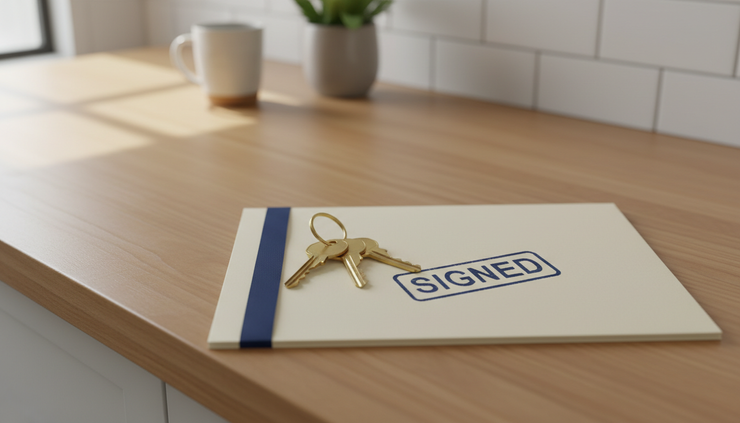
The best way to avoid rushing is to build a simple team and ask direct questions. A good lender, real estate agent, inspector, insurance agent, and title or escrow contact can help explain each step.
Ask questions like:
What is due next?
What happens if this deadline is missed?
What costs can still change?
What should I review before signing?
What would make this deal risky?
There is no prize for pretending to understand everything. The stronger move is to ask until the answer is clear.
A confident purchase does not mean finding a perfect home. Perfect homes are rare. It means choosing a home that fits the budget, passes reasonable review, and supports the life planned after closing.
Start with pre-approval. Count the full cost. Never skip the inspection without understanding the risk. Keep emotions in check. Read the details before signing.
Those five habits can prevent the biggest first-time buyer regrets. They also turn a stressful process into a more controlled one. A good home purchase should feel exciting, but it should also feel clear.


