
How Mortgage Preapproval Works and How to Get Approved Fast
A strong offer can lose if the financing looks weak. Mortgage preapproval helps fix that. It shows sellers and real estate agents that a lender has reviewed your finances and may be willing to lend you a set amount.
Preapproval is not a final loan approval. The home, appraisal, title, and your finances still need final review. But it is one of the most useful steps before making an offer.
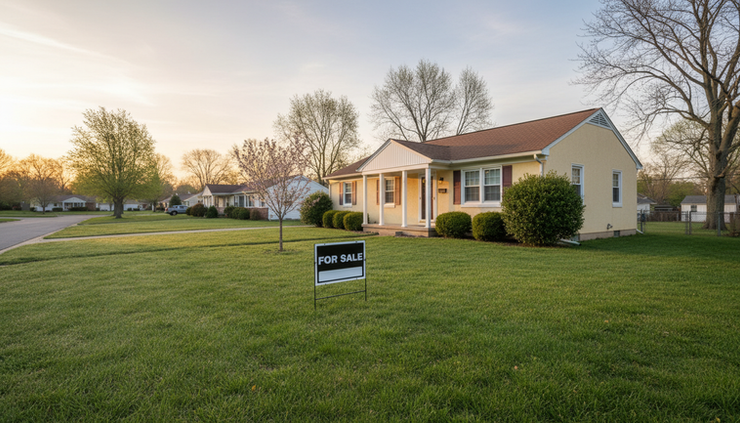
What mortgage preapproval means
Mortgage preapproval is a lender’s conditional review of your ability to borrow money for a home purchase.
The lender checks items such as:
Income
Credit history
Debts
Assets
Employment
Down payment funds
If the lender is comfortable with the file, it issues a preapproval letter. The letter usually states the loan amount you may qualify for, the loan type, and sometimes basic terms.
This matters because sellers want confidence. A preapproval letter tells them your offer has been reviewed by a lender, not based on a guess.
Preapproval also helps set a realistic budget. A home price that looks affordable online may not fit once taxes, insurance, mortgage insurance, closing costs, and interest are included.
How the preapproval process works
The process is direct, but the speed depends on how prepared your documents are.
1. Choose a lender
You can start with a bank, credit union, mortgage broker, or direct lender. Compare more than one option if possible. Lenders may offer different rates, fees, loan programs, and service levels.
Ask about the types of loans they handle, including conventional, FHA, VA, and USDA loans if those may apply.
2. Complete a mortgage application
The lender will ask for personal and financial details. This includes your Social Security number, income, employment history, debts, assets, and the expected purchase price range.
Most lenders will also run a credit check. This is usually a hard inquiry.
3. Submit the required documents
Having documents ready can speed up the review. Common items include:
Pay stubs
Usually the most recent 30 days.
W-2 forms
Often for the past two years.
Tax returns
Common for self-employed borrowers, business owners, or people with variable income.
Bank statements
Usually recent checking, savings, and investment account statements.
Photo ID
A driver’s license, passport, or other government-issued ID.
Debt information
Student loans, auto loans, credit cards, personal loans, and any other monthly obligations.
Gift letter
Needed if a family member or approved donor helps with the down payment.
Rental or housing history
Some lenders may ask for landlord information or proof of current housing payments.
4. The lender reviews your file
The lender checks whether your income supports the new mortgage payment. They also look at your debt-to-income ratio, credit score, reserves, and cash available for closing.
If something is unclear, the lender may ask for more documents. Fast replies can keep the file moving.
5. You receive a preapproval letter
If approved, you get a letter to use when shopping for homes. Many preapproval letters are valid for a limited time, often around 60 to 90 days. If it expires, the lender may need updated documents.

How preapproval affects loan terms and interest rates
Preapproval can help you understand your likely loan options before you choose a home. It may show whether you qualify for a conventional loan or need a government-backed loan program.
It can also give you an estimate of:
Loan amount
Interest rate range
Down payment requirement
Monthly payment
Closing costs
Mortgage insurance, if needed
A key point: preapproval does not always lock your interest rate. A rate lock usually happens later, often after you have a signed purchase contract. Some lenders offer early locks, but they may have conditions.
Your final loan terms can change if:
Your credit score changes
Interest rates move
Your income or job changes
Your debt increases
The property does not appraise as expected
The home has title, insurance, or condition issues
Preapproval helps you shop with better numbers. Final approval happens after underwriting reviews both you and the property.

How to improve your chances of getting preapproved
Small changes can make a real difference before applying.
Check your credit early. Look for errors, late payments, high balances, or accounts you do not recognize. Fix what you can before the lender pulls credit.
Pay down revolving debt. Credit card balances can affect your credit score and debt-to-income ratio. Lower balances may help.
Avoid new debt. Do not finance a car, open new credit cards, or make large purchases before or during the home-buying process.
Keep your job and income stable. A job change can slow approval, especially if pay structure changes from salary to commission or self-employment.
Save more than the down payment. You may need money for closing costs, inspections, moving, repairs, and reserves.
Document large deposits. Lenders need to know where money came from. Keep records for transfers, gifts, bonuses, and asset sales.
Be accurate on the application. Match your income, debts, and assets to your documents. Errors cause delays.
Respond fast. If the lender asks for a statement, letter, or explanation, send it quickly.
The fastest path is simple: clean documents, stable finances, and quick communication.
FAQ
Is preapproval the same as prequalification?
No. Prequalification is often a lighter estimate based on information you provide. Preapproval usually includes a credit check and document review, so it carries more weight.
Does mortgage preapproval guarantee a loan?
No. Final approval depends on underwriting, the property, appraisal, title review, insurance, and no major changes to your finances.
Will preapproval hurt my credit score?
A hard credit inquiry may cause a small, temporary change. Credit scoring models often treat multiple mortgage inquiries within a short shopping window as one inquiry.
How long does it take to get preapproved?
It can take as little as a day if your documents are ready and your file is simple. More complex income, credit issues, or missing documents can add time.
Can I make an offer without preapproval?
Yes, but it can weaken your offer. Many sellers prefer offers with a current preapproval letter.

The fast path to preapproval
Mortgage preapproval works best when you treat it like a financial checkup before shopping. Gather documents early. Keep debt low. Avoid major financial changes. Ask questions before you make an offer.
This content is for general information only and is not financial advice. Loan approval and terms depend on the lender and the full file.
If you are preparing to buy and want help with the next step, contact Patrick Canty to start the conversation.


